Importing Food into Japan: The Notification, the One-Day Clock, and the Holds
Every consignment of food entering Japan needs an import notification under the Food Sanitation Act, about 2.35 million a year. The published clearance period is one day, but monitoring and ordered inspections are where shipments actually sit. What importers need to plan for.
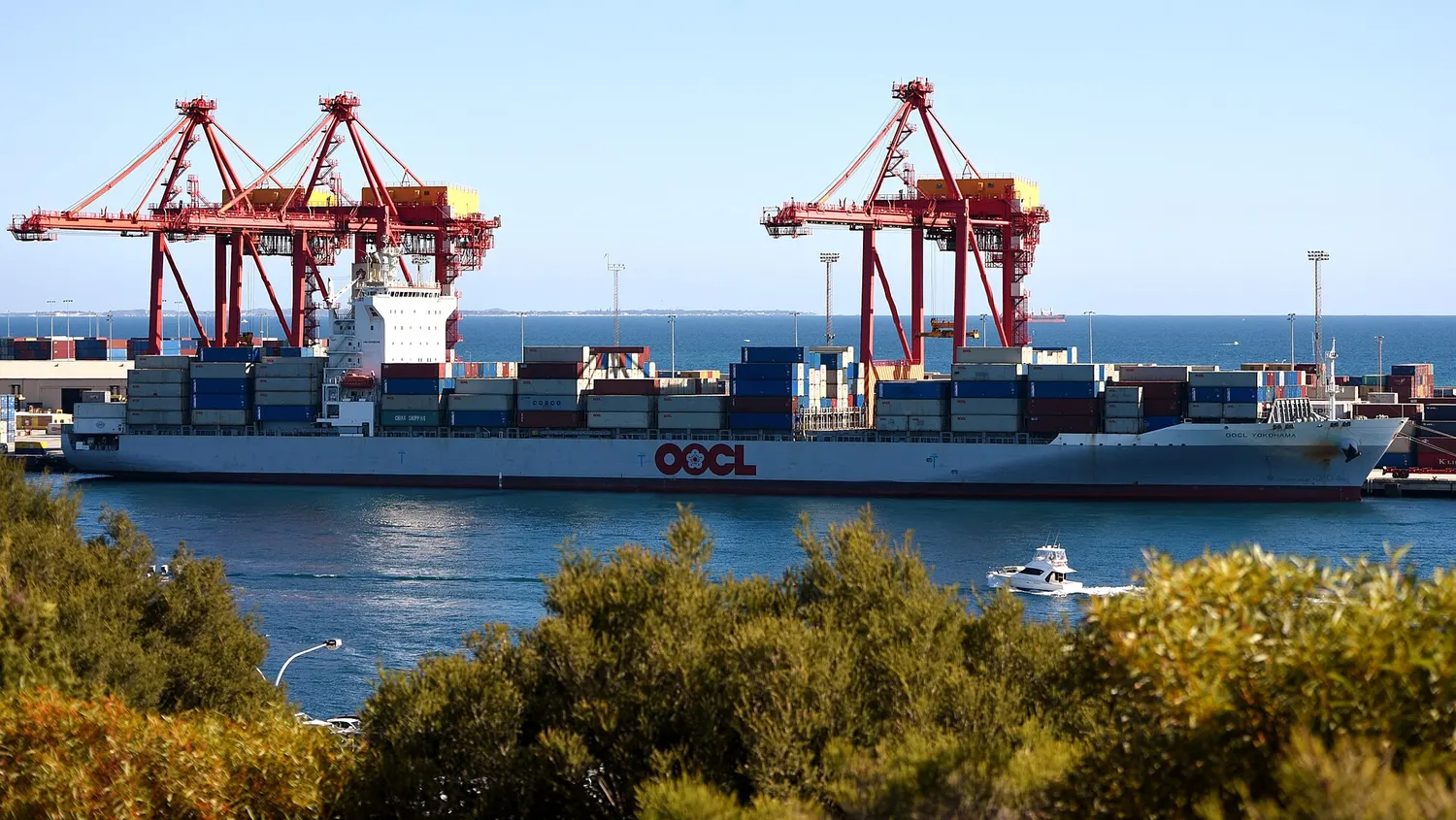
Every consignment of food brought into Japan for sale needs an import notification under the Food Sanitation Act, and there are about 2.35 million of them a year, the single highest-volume administrative procedure in the country. The published clearance period is one day. That number is real, and it is also where importers get the wrong idea, because the one-day clock applies to the notification, not to a consignment that gets held for inspection.
For a foreign food or beverage brand entering Japan, the gap between the published clearance figure and the reality of an inspection hold is the whole planning problem. Understanding where consignments actually sit, and why, is worth more than any amount of familiarity with the paperwork.
What follows is the notification, the inspection regime that runs alongside it, the separate step of licensing a domestic food business, and where the process stops being logistics and becomes public affairs. The governing law is the Food Sanitation Act (食品衛生法), administered by the Ministry of Health, Labour and Welfare (厚生労働省, MHLW) through Japan’s quarantine stations.
The import notification
The core procedure is the import notification under Article 27, filed with the quarantine station for every consignment of food, additives, apparatus or food-contact packaging imported for sale or commercial use.
| Procedure | Legal basis | Period | Fee | Annual volume |
|---|---|---|---|---|
| Import notification | Food Sanitation Act, Art. 27 | 1 day | none | ~2,350,033 |
| Ordered inspection | Art. 26(3) | held pending results | n/a | ~62,333 |
| Business licence (domestic) | Enforcement Reg. Art. 67 | 8 days | fee | ~174,943 |
| Business notification (domestic) | Enforcement Reg. Art. 70-2 | 1 day | none | ~200,666 |
The notification carries no fee and is filed electronically through MHLW’s import food monitoring system. For a consignment that clears on documents, the one-day period is realistic, and the volume, 2.35 million a year, tells you the system is built for routine, high-throughput clearance.
The published one-day period describes that routine case. What it does not describe is what happens when a consignment is selected for inspection, and that is the part a launch plan has to be built around.
Where shipments actually sit: monitoring and ordered inspection
Two inspection mechanisms sit on top of the notification, and they are the reason a shipment’s real clearance time can bear no resemblance to one day.
Monitoring inspection is the routine surveillance layer: a planned, sampling-based programme across the import stream, run so that goods generally move while samples are tested. Most consignments are never touched by it.
Ordered inspection under Article 26(3) is the sharper instrument. The minister issues an inspection order for specified imported food judged to carry a higher risk of breaching Japanese standards, a named hazard, in a named product, from a named origin, and a consignment caught by an order is held pending results, at the importer’s cost. About 62,000 ordered inspections run a year.
The decisive point for planning is that ordered inspection is not random. Orders target specific product-origin-hazard combinations, and the lists are published. Whether your product, from your source country, for a particular contaminant or additive, is currently subject to an order is knowable before you ship. An importer who checks is planning around a known constraint; one who does not is exposed to a hold that was foreseeable all along. This is the same published-versus-actual dynamic that runs throughout Japanese regulation: the target period is one day, the real distribution has a long tail, and the tail is documented rather than hidden.
Clearing the border is not the same as being allowed to trade
A second, separate requirement catches importers who plan the shipment but not the sale. Getting a consignment through the border does not by itself let you sell food in Japan; that requires a domestic authorisation under the Food Sanitation Act.
Depending on the category, that is either a business licence (about 175,000 a year, on an eight-day period, with a fee) or a lighter business notification (about 200,000 a year, one day, no fee), obtained through the local public-health centre. The licence attaches to the premises and the activity, storage, processing, sale, and it is what makes trading in the goods lawful.
These two tracks, clearing the import and licensing the business, should be planned together. Sequencing them, clear the goods first and worry about the licence later, is how importers end up with product in a warehouse they are not yet licensed to sell from.
HACCP and the domestic framework
Japan brought HACCP-based hygiene management fully into force in 2021, and it now underpins the domestic business-licensing system. A food business operating in Japan is expected to run HACCP-based controls proportionate to its scale.
For an importer, the border clearance is only half the operation; the domestic half, storage, handling, distribution, the business licence, sits on the HACCP framework. Readiness for it belongs in the market-entry plan from the start, not as a compliance item discovered after the first consignment lands.
The gap between published and actual
The one-day notification period is a published standard processing period, and the general Japanese qualification is exactly what this whole guide has been illustrating.
A standard processing period (標準処理期間) is set under Article 6 of the Administrative Procedure Act. That article obliges an agency to publish the period once it has set one, but setting it is only a best-efforts duty, and there is no statutory obligation to meet it, and the clock generally excludes time a consignment spends in inspection or with the importer for correction. Food import is unusually transparent about its own tail, because the inspection regime is published, but the principle generalises. In the area where completion data is most systematically published, the gap is stark: every pesticide re-evaluation concluded to date has taken 3.5 to 4.0 years against a published period of one year, from that ministry’s own records, set out in our pesticide registration guide. Food import will not show a multiple like that, but the lesson is the same: the published period describes the clean case, and a plan needs to account for the case that gets held.
Where this becomes a public affairs question
The mechanics above are import and compliance work, and customs brokers and food-safety consultants handle them well. The public affairs questions arrive when the standard applied to your product is itself the obstacle.
Whether a residue limit, an additive approval, or an inspection order lands on your product-origin category is a regulatory determination, and those determinations move. When Japan is revising a maximum residue limit, reviewing an additive, or deciding whether to impose or lift an inspection order on a country of origin, the outcome can decide whether a product is commercially viable to import at all. Those are decisions made by MHLW and, increasingly, the Consumer Affairs Agency, through processes that open before the rule takes effect. A company facing an inspection order that it believes is out of date, or an additive rule that blocks an otherwise-safe product, has a case to make, and it is an evidenced case made to the authority that owns the standard. As everywhere in this regime, the argument is far stronger made while the rule is under review than after it has settled.
If that is your situation, get in touch.
How to plan it
- Check the ordered-inspection lists before you ship. Whether your product-origin-hazard combination is under an order is published and knowable in advance.
- Plan the import and the business licence together. Clearing the border does not let you trade; the domestic licence or notification is a separate, parallel step.
- Build in HACCP readiness from the start. The domestic side of the operation sits on it, and it is a market-entry item, not an afterthought.
- Budget time and cost for a possible hold. The one-day period is the clean case; an ordered inspection holds the consignment at your cost until results are in.
- Engage on the standard, not just the shipment, if a rule is the blocker. Residue limits, additive approvals and inspection orders are reviewable, and the time to make the case is while the review is open.
Why this matters for public affairs in Japan
Food import looks like pure logistics, and for a routine consignment of a well-established product it is. But the standards that decide what may enter, residue limits, additive approvals, origin-specific inspection orders, are policy instruments, and they change with Japan’s assessment of risk, its trade relationships and its domestic politics. For a brand whose Japanese business depends on one of those standards, the border procedure is downstream of a policy decision that can be revisited. Distinguishing the logistics problem from the policy problem, and engaging on the second while it is still open, is what turns a border risk into a managed one.
Gemini Group advises food, beverage and agricultural companies on market entry, regulatory strategy and public affairs in Japan, including engagement with MHLW and the Consumer Affairs Agency on the standards that govern what reaches the market. Contact us to discuss your Japan strategy.
Further reading: our guides to importing cosmetics and importing health foods and supplements cover adjacent regimes, and the market-entry regulatory checklist maps which institutions apply to your sector.
Frequently asked questions
- What do you need to import food into Japan?
- An import notification under Article 27 of the Food Sanitation Act, filed with the quarantine station for every consignment of food, additives, apparatus or food-contact packaging brought in for sale or commercial use. It is the single highest-volume administrative procedure in Japan, about 2.35 million notifications a year, carries no fee, and runs on a published one-day period. Selling food domestically then also requires the relevant business licence or notification, which is a separate step from clearing the import.
- How long does food import clearance take in Japan?
- The import notification itself runs on a published standard processing period of one day, and for a consignment that clears on documents that is realistic. The variable is inspection. Where a product is subject to monitoring inspection, or where the minister has issued an inspection order for a category seen as higher-risk, the consignment is held until results are in, which can take substantially longer. Planning to the one-day figure without accounting for the possibility of an inspection hold is the most common importer mistake.
- What is an inspection order under the Food Sanitation Act?
- It is an order, issued under Article 26, requiring inspection of specified imported food seen as carrying a higher risk of violating Japanese standards, for a named hazard in a named product from a named origin. About 62,000 such inspections run a year. A consignment caught by an order is held pending results at the importer's cost, and because orders target specific product-origin-hazard combinations, whether they apply to you is knowable in advance from the published lists rather than a matter of luck.
- Do you need a licence to sell imported food in Japan?
- Usually yes, and it is separate from the import notification. Selling or handling food domestically requires either a business licence under the Food Sanitation Act, about 175,000 applications a year on an eight-day period with a fee, or a lighter business notification, about 200,000 a year, depending on the category. Clearing the import gets the goods into the country; the business licence or notification is what lets you trade in them, and the two should be planned together rather than in sequence.
- Which authority handles food imports in Japan?
- The Ministry of Health, Labour and Welfare (MHLW), through the quarantine stations that receive import notifications and run inspections, with the notification filed electronically through the import food monitoring system. Domestic business licensing sits with local public-health centres. From 2024 the food-safety remit has been reorganised across MHLW and the Consumer Affairs Agency, but the import-notification and quarantine function remains the gate at the border.
- Does food imported into Japan need HACCP compliance?
- Japan brought HACCP-based hygiene management fully into force in 2021, and it now underpins the domestic business-licensing framework, so a food business operating in Japan is expected to run HACCP-based controls appropriate to its scale. For an importer the practical point is that the domestic side of the operation, storage, handling, the business licence, sits on that framework, and readiness for it belongs in the market-entry plan alongside clearing the border.